
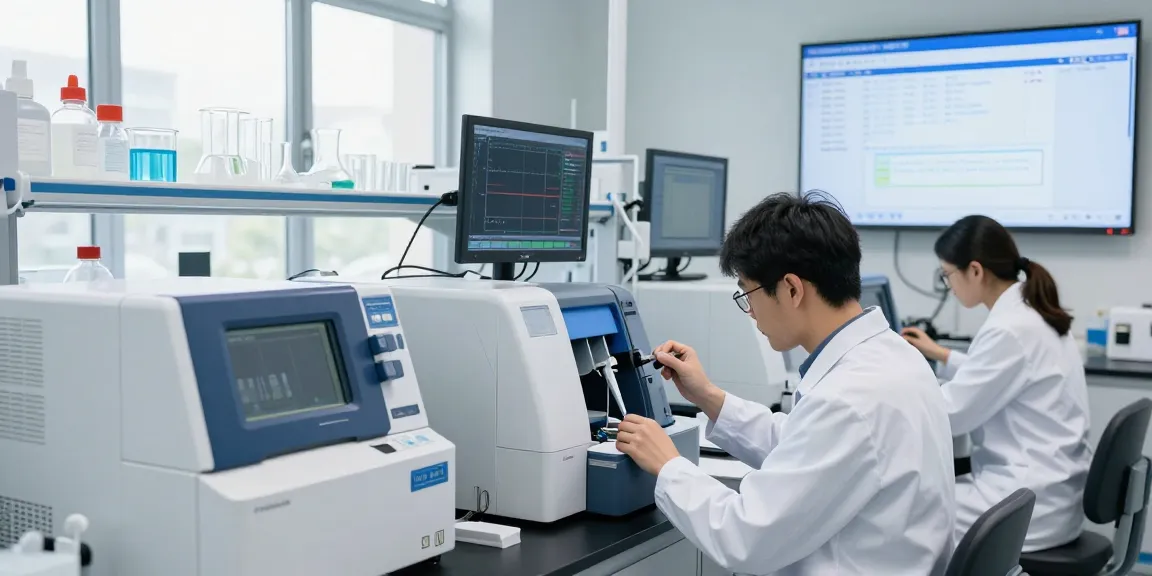
The Importance of Purity in Peptide Analysis
In the realm of pharmaceutical research and development, the purity of peptides is not just a quality attribute; it is a fundamental aspect that dictates the reliability of scientific findings and product efficacy. Peptide analysis, especially when it comes to high-stakes applications like drug development and therapeutic interventions, relies heavily on precise and accurate measurements of purity. A thorough understanding of peptide purity standards is essential for researchers seeking to ensure their results are both valid and reproducible. In this context, Aegean Labs provides comprehensive insights into the methodologies and reporting frameworks that underpin purity testing.
Understanding Peptide Purity Standards
Peptide purity is typically defined by the proportion of the active peptide in a sample relative to the total amount of impurities, which can include truncated forms, aggregation products, or chemically modified peptides. In many regulatory contexts, such as those governed by the FDA or EMA, a purity level of 95% or higher is often required for pharmaceutical-grade peptides. Understanding these standards is critical as they dictate how peptides can be used in clinical settings, impacting everything from formulation development to final product stability.
Common Misconceptions About Analytical Methods
Despite the advancements in analytical techniques, misconceptions about the capabilities and limitations of these methods persist. For instance, some researchers may underestimate the sensitivity of High-Performance Liquid Chromatography (HPLC), believing it cannot differentiate closely related impurities. In reality, modern HPLC systems can achieve remarkable resolution, allowing for the assessment of complex mixtures with high precision. Recognizing these capabilities is vital for optimizing analytical strategies.
How Purity Affects Research Outcomes
The implications of peptide purity extend beyond laboratory analysis; they directly affect research outcomes. Contaminated or impure peptides can lead to erroneous conclusions, affecting not only the integrity of the specific study but also potential future research built upon those findings. For instance, variations in peptide purity can significantly influence biological activity, resulting in misleading therapeutic evaluations. Therefore, robust purity assessment is crucial for ensuring that research is both reliable and impactful.
Advanced Techniques for Ensuring Accuracy
High-Performance Liquid Chromatography Explained
High-Performance Liquid Chromatography (HPLC) is a cornerstone technique in the analytical chemistry of peptides. It allows for the separation of components in a mixture based on their affinity to the stationary phase and their solubility in the mobile phase. The advent of HPLC with UV detection at 214nm has significantly enhanced the precision of peptide analysis, enabling researchers to achieve accurate quantification of peptide concentrations and identify impurities with unprecedented clarity.
Mass Spectrometry: The Gold Standard in Analysis
Mass Spectrometry (MS) has emerged as a gold standard for peptide analysis due to its unparalleled sensitivity and specificity. In conjunction with HPLC, LC-MS/MS (Liquid Chromatography-Tandem Mass Spectrometry) provides high-resolution data that is essential for the molecular identification and characterization of peptides. This combination not only confirms the peptide’s identity but also quantifies the impurities present, facilitating comprehensive purity assessments that are crucial for drug development and regulatory compliance.
Tailored Analytical Methods for Unique Peptides
Every peptide presents unique challenges and requirements for analysis. As such, customized analytical methods are often employed to address specific characteristics of peptides, such as their size, charge, and hydrophilicity. Tailoring analytical methods ensures that researchers obtain the most accurate and reliable results for their particular compounds, leading to more informed decisions in their research and development processes.
Comprehensive Reporting: What to Expect from Aegean Labs
The Role of HPLC Chromatograms in Reporting
One of the critical components of analytical reporting is the inclusion of HPLC chromatograms. These visual representations of the separation profile provide essential insights into the purity of the sample. A well-documented chromatogram will clearly illustrate the presence and relative abundance of both the target peptide and any impurities, offering a transparent view of the analysis process.
Understanding MS Identity Data and Its Significance
Mass Spectrometry identity data is integral to the reporting process. This data serves as analytical confirmation signals that confirm the identity of the target compound. By correlating this information with HPLC results, Aegean Labs delivers a holistic view of a peptide’s purity and quality, ensuring that clients are fully informed about their samples.
How Detailed Reporting Enhances Client Transparency
A comprehensive report is more than just raw data; it is a narrative that outlines the entire analytical process. Aegean Labs ensures that every report includes details on the testing methodology, sample preparation, and instrument calibration, fostering transparency and trust. This level of detail allows clients to understand the rigor behind their results, making the data more actionable and reliable.
Ensuring Laboratory Integrity and Client Trust
ISO 17025 Alignment and Quality Assurance
ISO 17025 is a critical standard that outlines the requirements for testing and calibration laboratories. Aegean Labs’ commitment to ISO 17025 alignment ensures that all analytical processes are conducted under strict quality management systems, providing clients with confidence in the accuracy and reliability of their results. This alignment not only enhances data quality but also reinforces the laboratory’s credibility within the scientific community.
The Importance of Sample Traceability in Peptide Testing
Traceability is a cornerstone of reliable analytical testing. Aegean Labs ensures that each sample is rigorously tracked throughout the testing process, linking results back to the original batch. This practice enhances the integrity of the testing process and allows for accountability, ensuring that clients can trust the findings presented in their reports.
Instant Verification Systems for Authentic Reports
To further enhance transparency, Aegean Labs provides an instant verification system for all issued reports. Each report is assigned a unique verification ID, which clients can use to authenticate their results. This immediate access to verification underscores Aegean Labs’ dedication to laboratory integrity and client trust, positioning it as a leader in the field of peptide analytical testing.
Future Trends in Peptide Analytical Testing
Emerging Techniques in Biomedical Research
The landscape of peptide analytical testing is continuously evolving, driven by advancements in technology and a deeper understanding of peptide biology. Emerging techniques, such as high-resolution mass spectrometry and next-generation sequencing, promise to enhance the precision of peptide analysis further, enabling researchers to explore complex biological systems with greater accuracy.
How Regulatory Changes Affect Testing Standards
As the regulatory environment for pharmaceuticals continues to evolve, testing standards are likely to become stricter. Staying compliant with these regulations is essential for labs and researchers to ensure that their products remain viable in an increasingly competitive market. Keeping abreast of these changes will be critical for maintaining high-quality standards in peptide analysis.
2026 Insights: What’s Next for Aegean Labs?
Looking toward 2026, Aegean Labs is focused on further enhancing its analytical capabilities and expanding its service offerings. By investing in cutting-edge technology and continually refining its methodologies, Aegean Labs aims to stay at the forefront of the peptide analytical testing industry, ensuring that it meets the ever-evolving needs of its clients.
What is Aegean Labs known for in the industry?
Aegean Labs is renowned for its rigorous analytical methodologies, precise reporting, and commitment to quality. With a strong foundation in ISO 17025 standards, the laboratory is recognized for its ability to deliver accurate and reliable peptide testing services that meet the highest industry benchmarks.
How can I verify my report from Aegean Labs?
Clients can easily verify their reports from Aegean Labs by using the unique verification ID provided in their report. This system allows for instant access to confirm the authenticity of the analytical results, reinforcing the lab’s commitment to transparency and accountability.
What makes Aegean Labs different from its competitors?
Aegean Labs differentiates itself through its combination of state-of-the-art technology, a focus on client communication, and a commitment to rigorous standards of integrity. By providing detailed reports and personalized client support, Aegean Labs fosters trust and reliability, setting it apart from many competitors in the industry.
How accurate are the testing methods used by Aegean Labs?
The testing methods employed by Aegean Labs are highly accurate, as evidenced by alignment with ISO 17025 standards. The laboratory utilizes advanced techniques such as HPLC and mass spectrometry to ensure high-resolution results, giving clients confidence in their peptide analysis.
What services does Aegean Labs offer for peptide analysis?
Aegean Labs offers a comprehensive suite of peptide analysis services, including HPLC analysis, endotoxin testing, mass spectrometry, and custom analytical methods tailored to meet unique research needs. This extensive range of services positions Aegean Labs as a one-stop solution for scientists and researchers engaged in peptide-related projects.
