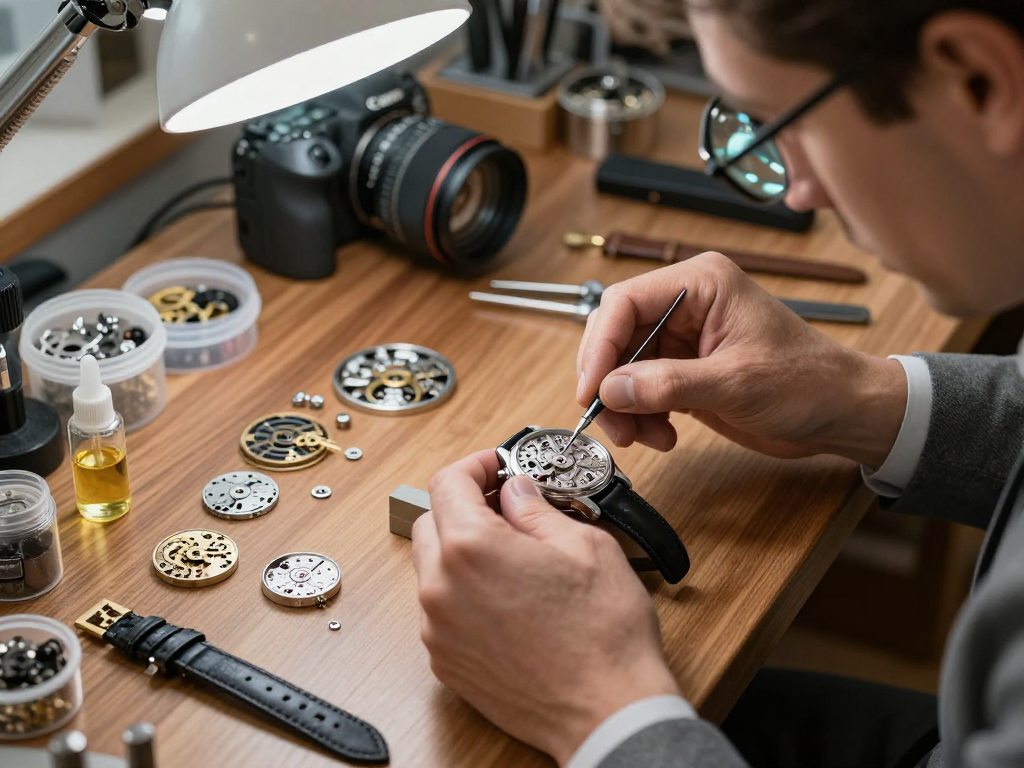
Understanding 2135 Movement Parts
The world of horology is complex and fascinating, especially when it comes to the intricacies of watch movements. Among these, the 2135 movement parts stand out due to their precision and reliability. This particular movement, widely recognized in both luxury and everyday watches, is renowned for its durability and accuracy. Whether you are a seasoned watchmaker or a budding enthusiast, understanding the components and functionality of the 2135 movement is essential for appreciating the craftsmanship that goes into each timepiece. When exploring options, 2135 movement parts offer comprehensive insights into maintaining and enhancing the performance of watches.
What Are 2135 Movement Parts?
The 2135 movement is an automatic watch movement created by the renowned Swiss manufacturer, ETA. It is characterized by its small size, typically measuring about 25.6 mm in diameter, and its thin profile, which allows it to fit seamlessly into various watch designs. This movement has become synonymous with luxury and precision timekeeping, making it a favored choice among high-end brands. The 2135 is not only valued for its aesthetics but also for its robust functionality, featuring a power reserve of approximately 48 hours.
Key Components and Their Functions
Understanding the 2135 movement requires familiarity with its key components, each of which plays a vital role in its operation. The main components include:
- Mainspring: The primary energy source of the movement, which stores potential energy when wound.
- Gear Train: A system of gears that transmits energy from the mainspring to the escapement.
- Escapement: Regulates the release of energy to ensure accurate timekeeping.
- Oscillator: Usually a balance wheel and hairspring, it controls the rate of the movement.
- Rotor: A semicircular weight that winds the mainspring as the wearer moves their wrist.
These components work together harmoniously to provide the accuracy and reliability that watches powered by the 2135 movement are known for.
How 2135 Movement Parts Impact Watch Performance
The performance of a watch is largely determined by the quality and condition of its movement parts. In the case of the 2135 movement, each component must be meticulously crafted and maintained to ensure optimal function. Poorly maintained or incompatible parts can lead to issues such as time inaccuracies, reduced power reserve, and even complete failure of the movement. Additionally, the use of original or high-quality replacement parts can significantly enhance the overall performance of a watch, ensuring that it remains a reliable timekeeping instrument for years to come.
Common Mistakes in Handling 2135 Movement Parts
Neglecting Proper Care and Maintenance
One of the most critical aspects of watch ownership is maintenance. Unfortunately, many watch owners overlook this necessity, leading to a decline in their timepiece's performance. Regular cleaning and servicing of the 2135 movement are vital to prevent dust and grime from hindering its function. While some enthusiasts may attempt DIY repairs, it is recommended to seek professional servicing to ensure that all components of the movement are handled correctly.
Using Incompatible Components
Another common mistake is the use of incompatible components when repairing or servicing a watch. The 2135 movement is designed with specific tolerances and specifications, and substituting parts with those of different dimensions or materials can lead to malfunction. Always source parts that are specifically designed for the 2135 movement to maintain its integrity.
Overlooking Quality Sources for Parts
Purchasing watch parts from unreliable sources can result in subpar replacements that compromise the quality of your timepiece. It is crucial to consider reputable suppliers who specialize in 2135 movement parts. High-quality components not only ensure better performance but also prolong the lifespan of your watch.
Best Practices for Working with 2135 Movement Parts
Essential Tools for Precision Assembly
Assembling or servicing a 2135 movement requires specialized tools to ensure that each component is fitted correctly. Essential tools include a jewelers’ screwdriver set, tweezers, a movement holder, and a watchmaker's loupe. Additionally, using a clean, dust-free environment is vital for preventing contamination of the movement during assembly or repair.
Step-by-Step Assembly Guide for Beginners
For those interested in assembling a 2135 movement, following a systematic approach is key:
- Preparation: Gather all necessary tools and components.
- Assembly of the Gear Train: Begin by placing the gears in the correct order, ensuring they mesh properly.
- Install the Escapement: Carefully position the escapement to regulate the gear train.
- Attach the Rotor: Secure the rotor in place to allow for automatic winding.
- Final Adjustments: Test for smooth operation before closing the movement.
This process requires patience and attention to detail, making it ideal for those eager to learn the finer points of watchmaking.
Quality Control Measures in Watchmaking
Implementing quality control measures is essential in ensuring that each watch functions optimally. This includes thorough testing of the movement's accuracy and reliability post-assembly, using tools such as timing machines that can compare the watch's performance against standard timekeeping. Regular inspections and comparisons against manufacturer specifications help maintain high-quality standards in watchmaking.
Real-World Applications of 2135 Movement Parts
Case Studies of Successful Luxury Brands
Numerous luxury brands utilize the 2135 movement in their timepieces, demonstrating its versatility and reliability. Notable examples include Rolex, which incorporates the 2135 movement in some of its models, providing precise timekeeping and durability. Other brands have also recognized the movement's quality, leading to its widespread adoption in high-end watches.
Innovative Uses in Modern Horology
With advancements in technology, the future of watch movements is evolving. Modern horology has seen innovations that enhance the 2135 movement, such as improved materials for components and enhanced energy efficiency. Brands are now experimenting with hybrid movements that combine traditional mechanisms with smart capabilities, thereby expanding the potential applications of the 2135 movement.
Customer Feedback on 2135 Movement Performance
Customer reviews and feedback often highlight the exceptional performance of watches powered by the 2135 movement. Many users praise the movement's accuracy and reliability, citing that it requires minimal adjustments even after extended use. This positive reception underscores the importance of quality components in delivering a satisfying user experience.
Future Trends in Watch Movement Parts by 2026
Emerging Technologies in Watchmaking
As we look towards 2026, the landscape of watchmaking is predicted to change significantly. Emerging technologies, such as enhanced automation in assembly processes and the use of artificial intelligence for quality control, will likely play a substantial role in the production of watch movements. Moreover, advancements in materials, including lightweight alloys and synthetic rubies, will also enhance movement durability and performance.
Predictions for 2135 Movement Parts Advancements
It is anticipated that the 2135 movement parts will continue to evolve, with manufacturers focusing on optimization for improved accuracy and efficiency. Innovations such as self-winding mechanisms that harness kinetic energy more effectively or advancements in quartz technology integration may redefine the capabilities of traditional mechanical movements.
How to Stay Ahead in the Watchmaking Industry
Staying ahead in the competitive watchmaking industry demands a combination of continuous learning and embracing new technologies. Watchmakers should invest in training and development to enhance their skills in modern techniques and tools. Networking within industry circles and attending watch fairs will also provide insights into upcoming trends, ensuring that watchmakers remain at the forefront of innovation.